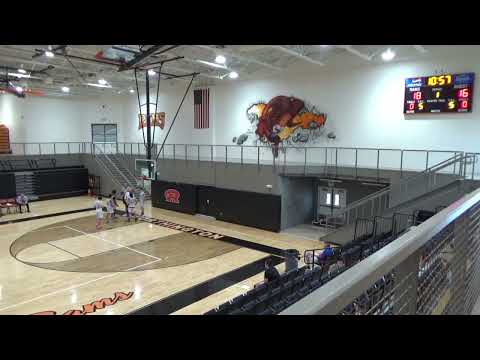
Serving 59 students in grades 6-8, Fairview 6-8 ranks in the bottom 50% of all schools in Montana for overall test scores (math proficiency is bottom 50%, and reading proficiency is bottom 50%).
The percentage of students achieving proficiency in math is 20-29% (which is lower than the Montana state average of 37%). The percentage of students achieving proficiency in reading/language arts is 21-39% (which is lower than the Montana state average of 46%).
The student-teacher ratio of 12:1 is equal to the Montana state level of 12:1.
Minority enrollment is 20% of the student body (majority American Indian and Hispanic), which is lower than the Montana state average of 24% (majority American Indian and Hispanic).
Quick Facts (2026)
- Grades: 6-8
- Enrollment: 59 students
- Student-Teacher Ratio: 12:1
- Minority Enrollment: 20%
- Overall Testing Rank: Bottom 50% in MT
- Math Proficiency: 20-29% (Btm 50%)
- Reading Proficiency: 21-39% (Btm 50%)
- Science Proficiency: <50% (Top 30%)
- Source: National Center for Education Statistics (NCES), MT Dept. of Education
School Overview
Fairview 6-8's student population of 59 students has grown by 55% over five school years.
The teacher population of 5 teachers has grown by 25% over five school years.
Grades Offered
Grades 6-8
(Supplemental Virtual)
(Supplemental Virtual)
Total Students
59 students
Total Classroom Teachers
5 teachers
School Calendar
School Rankings
Fairview 6-8 ranks within the bottom 50% of all 696 schools in Montana (based off of combined math and reading proficiency testing data).
The diversity score of Fairview 6-8 is 0.35, which is less than the diversity score at state average of 0.40. The school's diversity has stayed relatively flat over five school years.
Overall Testing Rank
#582 out of 696 schools
(Bottom 50%)
(Bottom 50%)
Math Test Scores (% Proficient)
20-29%
37%
Reading/Language Arts Test Scores (% Proficient)
21-39%
46%
Science Test Scores (% Proficient)
<50%
37%
Student-Teacher Ratio
12:1
12:1
American Indian
9%
10%
Hispanic
8%
7%
Black
3%
1%
White
80%
76%
All Ethnic Groups
Chronically Absent Students
(22-23)15.3%
35.9%
Participates in the National School Lunch Program (NSLP)
Yes
Eligible for Free Lunch
37%
50%
Eligible for Reduced Lunch
14%
5%
School Statewide Testing
School District Name
Source: National Center for Education Statistics (NCES), MT Dept. of Education
Frequently Asked Questions
What is Fairview 6-8's ranking?
Fairview 6-8 is ranked #582 out of 696 schools, which ranks it among the bottom 50% of public schools in Montana.
What percent of students have achieved state testing proficiency in math and reading?
20-29% of students have achieved math proficiency (compared to the 37% MT state average), while 21-39% of students have achieved reading proficiency (compared to the 46% MT state average).
How many students attend Fairview 6-8?
59 students attend Fairview 6-8.
What is the racial composition of the student body?
80% of Fairview 6-8 students are White, 9% of students are American Indian, 8% of students are Hispanic, and 3% of students are Black.
What is the student-teacher ratio of Fairview 6-8?
Fairview 6-8 has a student ration of 12:1, which is equal to the Montana state average of 12:1.
What grades does Fairview 6-8 offer ?
Fairview 6-8 offers enrollment in grades 6-8 (Supplemental Virtual).
What school district is Fairview 6-8 part of?
Fairview 6-8 is part of Fairview Elementary School District.
School Reviews
Review Fairview 6-8. Reviews should be a few sentences in length. Please include any comments on:
- Quality of academic programs, teachers, and facilities
- Availability of music, art, sports and other extracurricular activities
Recent Articles

Media Literacy as a Core Skill: How to Tell if a School Teaches It Well
Learn how to evaluate whether a public school teaches media literacy effectively, from fact-checking and source evaluation to digital citizenship and critical thinking.

Screen Time, Paper Learning, and the New Back-to-Basics Debate
Explore why some public schools are reducing screen time, bringing back paper learning, and rethinking the balance between technology and traditional instruction.

Student Data, AI Tools, and Privacy: Questions to Ask Your District
Learn how public schools use AI, protect student data, and the key privacy questions every parent should ask their school district in 2026.