Public School Safety

A comprehensive look at the safety of US public schools. Learn what schools are doing to combat gangs and drugs, prepare for natural disasters, and protect your children from predators. From web cameras to armed guards, see what tools public schools are employing to keep kids safe.

View the most popular articles in Public School Safety:

School Safety Beyond Lockdowns: What Parents Should Review

Updated
|
School Safety Beyond Lockdowns: What Parents Should Review
Learn how to evaluate a public school's safety beyond lockdown drills, including school climate, emergency planning, mental health support, and communication.

For many parents, the phrase "school safety" immediately brings to mind lockdown drills and security cameras. While these measures remain important, they represent only one part of what makes a school truly safe. Today's public schools face a broad range of challenges, from severe weather and medical emergencies to bullying, mental health concerns, cybersecurity threats, and unauthorized campus access. As a result, the most effective schools have adopted comprehensive safety strategies that go far beyond preparing for a single type of emergency.

Families evaluating public schools should look beyond visible security features and ask how a school creates an environment where students feel physically secure, emotionally supported, and confident that adults will respond appropriately when concerns arise. A strong safety program balances preparedness with prevention, helping students thrive without creating an atmosphere of fear.

Before visiting schools, parents may find it helpful to read Understanding School Safety Policies in 2026, which explains how modern safety plans combine emergency preparedness with student wellness and prevention strategies.

Look Beyond Physical Security

Locked entrances, visitor check-in systems, surveillance cameras, and secure classroom doors are now common features in many public schools. While these physical safeguards are important, they should be viewed as part of a broader safety framework rather than the sole indicator of a school's preparedness.

Parents should ask how visitors are screened, how exterior doors remain secured during the school day, and whether staff receive ongoing training on safety procedures. A well-maintained campus also demonstrates attention to
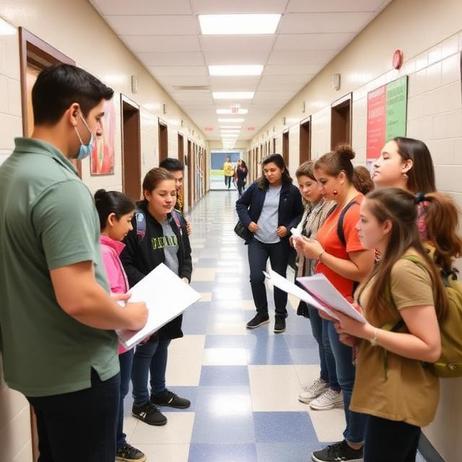

. . .read more

Understanding School Safety Policies in 2026

Updated
|
Understanding School Safety Policies in 2026
Learn how school safety policies are evolving in 2026, including mental health support, AI monitoring, emergency planning, and parent rights.

School safety policies in 2026 look very different from the security plans many districts relied on just a few years ago. Today’s public schools are balancing physical security, mental health support, digital monitoring, emergency preparedness, and student privacy concerns, all while trying to maintain welcoming learning environments.

For parents, educators, and students, understanding school safety policies is increasingly important. Safety plans now extend beyond locked doors and emergency drills. Districts are investing in anonymous reporting systems, behavioral threat assessment teams, cybersecurity protections, and expanded mental health services.

At the same time, schools face growing scrutiny over how much surveillance is appropriate, how student data is handled, and whether safety measures are actually improving outcomes.

This guide explains how school safety policies are changing in 2026, what families should expect from their local schools, and which trends are shaping the future of campus safety.

What Are School Safety Policies?

School safety policies are the procedures, systems, and rules designed to protect students, teachers, staff, and visitors from harm. These policies typically cover:

  • Emergency response procedures

  • Campus access controls

  • Bullying prevention

  • Mental health intervention

  • Threat assessment protocols

  • Digital and cybersecurity protections

  • Communication systems for families

  • Crisis recovery plans

Most districts now approach school safety using a layered model. Instead of relying on a single security solution, schools combine prevention, intervention, and emergency response strategies.

According to the National Center for Education Statistics, nearly all U.S. public schools now control building access during school hours and require visitor check-ins with

. . .read more

Restorative Justice in Schools: What the Data Shows

Updated
|
Restorative Justice in Schools: What the Data Shows
Explore restorative justice in schools, including discipline data, outcomes, and implementation insights for educators and families.

Restorative justice in schools has gained significant traction over the past decade as districts seek alternatives to exclusionary discipline. Instead of focusing solely on punishment, restorative practices emphasize accountability, relationship-building, and repairing harm.

As concerns about suspensions, expulsions, and school climate persist, data increasingly shape how schools evaluate restorative justice implementation. This article examines what current research reveals, where outcomes are strongest, and what families and educators should understand when assessing these programs.

What Is Restorative Justice in Schools?

Restorative justice is a framework that shifts discipline from punitive responses to collaborative problem-solving. Common practices include:

  • Restorative circles
  • Peer mediation
  • Facilitated dialogue between affected parties
  • Community-building exercises

These approaches are often implemented as part of broader efforts to reduce suspensions and improve school climate.

Why Schools Are Moving Away From Traditional Discipline

Historically, zero-tolerance policies led to increased suspensions and expulsions, often with disproportionate effects on certain student groups. Research has linked exclusionary discipline to:

  • Lower academic performance
  • Higher dropout rates
  • Increased likelihood of involvement with the juvenile justice system

The U.S. Department of Education has documented these disparities and their long-term impact.

As a result, districts are reevaluating discipline strategies in favor of approaches that keep students engaged in learning environments.

What the Data Shows About Restorative Justice

1. Reductions in Suspensions and Expulsions

Multiple large-scale studies indicate that restorative justice programs can reduce exclusionary discipline.

A RAND Corporation study of Pittsburgh Public Schools found:

  • Suspension rates declined
. . .read more

School-Based Health Clinics: Funding, Billing, and Student Access

Updated
|
School-Based Health Clinics: Funding, Billing, and Student Access
Learn how school-based health clinics are funded, how billing works, and how students access care in public schools.

School-based health clinics are becoming an increasingly important part of the public education system. As schools take on a broader role in supporting student well-being, these clinics help bridge gaps in healthcare access, particularly for underserved communities. Understanding how school-based health clinics are funded, how billing works, and how students access services is essential for parents and educators navigating today’s public school landscape.

In many ways, these clinics reflect the same equity-driven goals that shape broader discussions about how public school funding works, ensuring that all students are positioned to succeed academically and physically.

What Are School-Based Health Clinics?

School-based health clinics, often referred to as SBHCs, are healthcare facilities located on or near school campuses. They provide a range of services, including:

  • Primary care, such as check-ups and immunizations
  • Mental health counseling
  • Chronic disease management, including asthma and diabetes care
  • Preventive services, including screenings and health education

These clinics are designed to reduce barriers to care, including transportation challenges, cost concerns, and scheduling conflicts.

How School-Based Health Clinics Are Funded

Funding for SBHCs is typically a blend of public and private sources. This diversified model helps sustain services but can also create variability between districts.

Federal and State Funding

Many clinics receive support through federal programs such as Medicaid and grants from agencies like the Health Resources and Services Administration (HRSA). State governments may also allocate funds, particularly in states prioritizing school health infrastructure.

According to the HRSA overview of school-based health centers,

. . .read more

The Role of Sports in Public Schools in 2026

Updated
|
The Role of Sports in Public Schools in 2026
Explore the role of sports in public schools in 2026, including academic benefits, student wellness, funding challenges, and evolving athletics programs.

The role of sports in public schools continues to evolve as educators place greater emphasis on student well-being, engagement, and whole-child development. In 2026, athletics programs are no longer viewed simply as extracurricular activities. They are increasingly recognized as an essential component of a balanced education.

Public school sports programs support physical health, teach leadership and teamwork, and help students stay connected to their school communities. As districts address challenges such as student mental health, declining physical activity levels, and academic engagement, athletics programs are playing a larger role in supporting student success.

At the same time, schools must balance expanding athletic opportunities with financial constraints, equity considerations, and changing student interests. Understanding the role of sports in public schools today requires examining both their benefits and the challenges districts face in maintaining strong programs.

Why Sports Remain Essential in Public Schools

Athletics have long been part of American public education, but research continues to reinforce their value. Participation in school sports is linked to improved physical health, stronger social skills, and higher levels of student engagement.

According to the Centers for Disease Control and Prevention, regular physical activity improves concentration, memory, and classroom behavior in children and adolescents. School sports provide a structured environment where students can meet recommended activity levels while developing important life skills.

In 2026, educators increasingly recognize that sports programs contribute to three key areas of student development:

1. Physical health

Sports help

. . .read more

Recent Articles

Media Literacy as a Core Skill: How to Tell if a School Teaches It Well
Learn how to evaluate whether a public school teaches media literacy effectively, from fact-checking and source evaluation to digital citizenship and critical thinking.
Screen Time, Paper Learning, and the New Back-to-Basics Debate
Explore why some public schools are reducing screen time, bringing back paper learning, and rethinking the balance between technology and traditional instruction.
Student Data, AI Tools, and Privacy: Questions to Ask Your District
Learn how public schools use AI, protect student data, and the key privacy questions every parent should ask their school district in 2026.