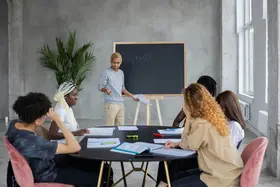
When students arrive at school and discover that their regular teacher is absent, their reactions can range from excitement to uncertainty. For substitute teachers, however, stepping into an unfamiliar classroom is simply part of the job. Every assignment brings a new environment, different expectations, and a fresh group of students. While substitute teachers may only spend a day, a week, or a semester with a class, they play an essential role in keeping public schools running smoothly.
As districts across the country continue to face staffing challenges, substitute teachers have become increasingly important. They provide continuity when full-time teachers are absent and help ensure that students can continue learning without major disruptions. Yet the experience of substitute teaching is often far more demanding than many people realize.
Walking Into the Unknown
Few professions require employees to adapt as quickly as substitute teaching. A substitute may begin the day in an elementary classroom reading stories to first graders and end the week supervising a high school chemistry class. Unlike full-time teachers who spend months establishing routines and relationships, substitutes often have only a few minutes to familiarize themselves with a classroom before students arrive.
The first challenge is usually understanding the expectations of a new school. Procedures for attendance, technology, student behavior, and classroom management can vary significantly from one building to another. Some teachers leave detailed lesson plans, while others may leave only basic instructions. Successful substitutes learn to think on their feet and remain flexible when unexpected situations arise.
School districts across the nation continue to rely heavily on substitute teachers as staffing shortages affect education systems. According to the National Center for Education Statistics, schools have reported ongoing difficulties filling teaching positions and maintaining adequate substitute teacher pools.
Earning Students' Trust
One of the most difficult aspects of substitute teaching is building credibility with students almost immediately.
Students naturally respond differently when their regular teacher is absent. Some become more talkative, while others may test boundaries to see how much freedom they can gain. Substitute teachers must quickly establish expectations while maintaining a positive and respectful classroom atmosphere.
This balancing act often determines how successful the day will be. Experienced substitutes understand that classroom management is not simply about enforcing rules. It is about creating an environment where students feel comfortable enough to participate while remaining focused on learning.
In many ways, substitute teaching is a lesson in relationship-building. Even brief interactions can leave lasting impressions on students.
More Than Classroom Supervision
Many people assume substitute teachers simply monitor students until the regular teacher returns. In reality, their responsibilities frequently extend much further.
Substitutes are expected to deliver instruction, answer questions, guide discussions, oversee assignments, and manage classroom activities. Long-term substitute teachers may also grade work, communicate with parents, attend staff meetings, and assume many of the same responsibilities as full-time educators.
As schools increasingly embrace collaborative and project-based learning, substitutes are often asked to facilitate activities that require active student participation rather than passive supervision. Educational approaches similar to those discussed in Cooperative Learning in 2025: Evidence, Best Practices & Challenges require substitute teachers to engage students while maintaining continuity with ongoing classroom goals.
The role has evolved significantly in recent years as schools place greater emphasis on student engagement and instructional consistency. Guidance from the U.S. Department of Education continues to highlight the importance of maintaining instructional quality even during teacher absences.
Technology Has Changed the Job
Today's substitute teachers must navigate a much different environment than substitutes of previous generations.
Many classrooms now rely heavily on digital platforms for instruction, attendance, assignments, and communication. A substitute may need to access learning management systems, monitor online activities, troubleshoot devices, and assist students with digital coursework.
Schools that have adopted modern educational technology often provide resources that help substitute teachers transition more smoothly into classrooms. Parents interested in these broader trends may find additional perspective in Digital Learning and Public Schools: What Parents Need to Know.
Technology has made some aspects of substitute teaching easier, but it has also increased expectations for flexibility and technical proficiency. Organizations such as the International Society for Technology in Education continue to advocate for effective technology integration that supports both educators and students.
Why Many People Enjoy Substitute Teaching
Despite the challenges, many substitute teachers find the work highly rewarding.
Some are retired educators who miss working with students but no longer want the demands of a full-time schedule. Others are aspiring teachers seeking classroom experience before beginning permanent careers in education.
Many substitutes appreciate the opportunity to work with students of different ages, backgrounds, and academic interests. Each assignment offers a unique perspective on how schools operate and how students learn.
Perhaps the greatest reward comes from knowing that a substitute teacher can make a positive difference, even during a short assignment. A calm and encouraging presence can help students remain focused, confident, and engaged when their normal routines are disrupted.
An Essential Part of Public Education
Public schools depend heavily on substitute teachers. Without them, districts would struggle to maintain instructional continuity during teacher absences. Administrators might be forced to combine classes, redistribute staff members, or reduce learning opportunities for students.
As staffing shortages continue to affect schools nationwide, substitute teachers are increasingly recognized as vital members of the educational community. Their ability to adapt quickly, manage diverse classrooms, and support student learning helps ensure that schools can continue operating effectively.
Educational leadership teams understand the importance of maintaining strong staffing systems, a topic explored further in What It Takes to Run a Public School Day-to-Day.
The Future of Substitute Teaching
The role of substitute teachers continues to evolve as public schools adapt to changing educational needs.
Many districts are investing in better training, technology onboarding, professional development, and recruitment initiatives designed to strengthen substitute teacher pipelines. These efforts help ensure that students continue receiving quality instruction when their regular teachers are absent.
As schools navigate ongoing staffing challenges, substitute teachers will remain a critical component of successful educational systems. Their ability to step into unfamiliar classrooms, support student learning, and maintain continuity makes them indispensable partners in public education.
For families, understanding what substitute teachers experience provides valuable insight into the many professionals who contribute to a school's success. While they may not always receive the same visibility as full-time teachers, substitute educators play a vital role in helping public schools meet the needs of students every day.