
School Controversies

The most controversial issues impacting public school students today. From bullying to book bans, this is a comprehensive look at some of the most oft-debated issues. This section features articles on school segregation, religion, over-crowding, civil rights, and green technology.

View the most popular articles in School Controversies:

Dangerous Dodge Ball: 4 Lawsuits Stemming from P.E.

Updated
|
Dangerous Dodge Ball: 4 Lawsuits Stemming from P.E.
Physical education could mean much more than scrapped knees and bruised egos from being picked last. Learn about four lawsuits involving physical education that range from fights to even a tragic death.

Ask any elementary-aged child what their favorite school subject is and many will either say recess or P.E. Children delight in the opportunity to run, play and compete with other students after sitting in math and language arts for most of their day. Unfortunately, that time in the school gym or on the playground isn't always the safest from a parent's perspective. We have a rundown on a number of lawsuits pending in school districts across the country, due to what has been perceived as unsafe conditions.

In this video, an attorney explains your options.

Tucson School Sued over Fight

A simple game of tag on a school playground during a physical education class landed one Tucson student in the hospital, according to a report at AZ Central. The student, a 10-year-old Cody Barber, claims that he was attacked by another student during a game of tag at his elementary school in the Tucson Unified School District. The attacker allegedly knocked Cody to the ground and then kicked him once. Barber's spleen was severely lacerated, which required surgery and six days at a nearby medical center to repair.

Barber's mother has accused the school district of negligence in the injury of her son because she said the alleged attacker had a known history of behavioral issues and had been placed "on restriction" by the school. This

. . .read more

When Teachers Cheat: The Standardized Test Controversies

Updated
|
When Teachers Cheat: The Standardized Test Controversies
Teachers across the country are being accused of cheating on standardized tests, using erasers to conveniently change their students’ answers. However, are these teachers driven to cheat because the funding system is flawed?

The value of standardized test results continues to mount, with state and federal lawmakers utilizing these test scores to give either rewards or punishments to school districts.

Many schools, particularly those in low-income areas that are already stretching resources too thin, are facing additional pressure to "teach to the tests" in order to ensure all of their much-needed funding continues. The pressure has apparently led some teachers and administrators to "tweak" test scores so schools get a better performance rating.

Cheating in Atlanta?

According to a recent report in the Atlanta Journal-Constitution, as many as 109 teachers and administrators in Atlanta are being investigated for possible cheating on standardized tests. Suspicions began in December 2008, when the paper published an analysis that showed the academic gains in some Atlanta schools were simply too good to be true. When the tests were audited, an unusual number of erasures on tests were discovered, leading to the investigation into allegations of cheating on the tests.

If evidence is found that the educators did indeed change some test answers, they may face further scrutiny and sanctions. The investigative panel responsible for looking into this issue released a final report with the following findings of the employees suspected of cheating:

  • 78 of the employees worked at just 12 schools.
  • 25 employees at 13 different schools appear to have acted independently.
  • 6 employees at the 33 remaining Atlanta Public Schools also acted independently, according to the investigation.

An article in the

. . .read more

Should Public Schools Hold Graduations at Churches?

Updated
|
Should Public Schools Hold Graduations at Churches?
Public school graduations are being criticized for violating the separation of church and education mandate. Learn about the controversy facing cap and gowns in church.

When it comes times for public school graduates to march up the aisle to the tune of "Pomp and Circumstance," the venue for the ceremony becomes an issue. Many high schools do not boast a large enough gymnasium or auditorium to house a significant number of graduates and family members, and outdoor stadiums are always vulnerable to stormy weather. Public venues, like professional arenas, can be quite costly to rent, leading some schools to look for affordable alternatives within the community.

In some cities, the apparent solution has been to hold graduation ceremonies in large church buildings, and pastors have been more than happy to offer their spaces to neighboring schools. However, public school graduations in churches have raised questions across the country about the separation of church and state. In fact, some schools have actually found themselves in the midst of court proceedings as a result of inadvertently combining religion with public education.

This video looks at the issue of separation of church and state in our public schools.

A Fight at First Cathedral

First Cathedral, a non-denominational megachurch in Connecticut had opened its doors to no less than five high school graduations in previous years, according to an article in USA Today. The expansive church was chosen by the schools both for comfort and affordability.

However, not all the students and parents were comfortable holding a graduation ceremony in

. . .read more

Teaching Church in Public School? Texas Votes Yes

Updated
|
Teaching Church in Public School? Texas Votes Yes
Learn about changes in Texas' public school curriculum that reinterprets American history and potentially incorporates more Christianity into coursework.

Public school curriculum is becoming a national hot topic of debate. From ethnic studies in Arizona to American history in Texas, major changes are being made to public school curricula.

The State Board of Education in Texas recently approved a new social studies curriculum that will be introduced during the next school year. Educators will spend the year getting trained on how to teach the new curriculum, which will be used in classrooms beginning with the 2011-2012 school year. The discussion over the seemingly religion-based revisions began in January and has been the source of intense international attention and comment, according to an update on the Texas Education Agency website.

What the Curriculum Includes

The revised curriculum, dubbed the Texas Essential Knowledge and Skills, will paint American history in a rather different light, with a definitive Christian, conservative slant. While the New York Times cited more than 100 amendments that have been passed on the curriculum since discussions began in January, the Washington Post and the Texas Education Agency list some of the major themes of the curriculum, which will include:

  • Comparing the inaugural addresses of Abraham Lincoln and Jefferson Davis
  • Examining why the Founding Fathers protected religious freedom and relating their intentions to the phrase "separation of church and state."
  • Downplaying Thomas Jefferson's role in the creation of our country (Jefferson was just one of the founding fathers who was not a professing Christian)
  • Giving more attention to President Reagan and his role in
. . .read more

Should Ethnic Studies be Banned in Public Schools?

Updated
|
Should Ethnic Studies be Banned in Public Schools?
Arizona’s new law banning ethnic studies in public schools is stirring tremendous controversy. Learn about what the proponents and opponents are saying.

Arizona has made national headlines not once, but twice, in the last few weeks. First, the state was the subject of numerous protests over an immigration law that allows police to require documentation from any individual stopped in the state for another violation. Opponents of the bill are concerned that recent decisions will lead to racial profiling in the state.

More recently, Arizona Governor Jan Brewer signed another bill banning "ethnic studies" in elementary and secondary schools. Once again, her decision has raised the ire of many, including UN human rights experts. However, proponents of the bill state that the ban will actually improve race relations among the various cultures living in Arizona, rather than deepening any divide that may exist.

This video from PBS discusses the issue.

Step Two: Ethnic Studies in Schools

Currently, Arizona schools offer a number of different ethnic studies programs, including specialized courses for African-American, Mexican-American, and Native American classes that teach subjects such as history and literature that originate from those cultures. The studies are designed to explore the role of various ethnicities in American history and their contributions to literature.

An article on Politico cites one portion of the bill, which reads, "Public school pupils should be taught to treat and value each other as individuals and not be taught to resent or hate other races or classes of people." Brewer

. . .read more

Recent Articles

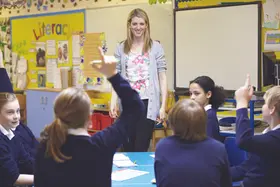
Media Literacy as a Core Skill: How to Tell if a School Teaches It Well
Learn how to evaluate whether a public school teaches media literacy effectively, from fact-checking and source evaluation to digital citizenship and critical thinking.
Screen Time, Paper Learning, and the New Back-to-Basics Debate
Explore why some public schools are reducing screen time, bringing back paper learning, and rethinking the balance between technology and traditional instruction.
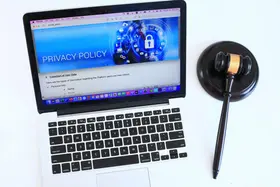
Student Data, AI Tools, and Privacy: Questions to Ask Your District
Learn how public schools use AI, protect student data, and the key privacy questions every parent should ask their school district in 2026.