For the 2026 school year, there is 1 public school serving 685 students in the neighborhood of Garfield Heights, Washington, DC.
The top-ranked public school in Garfield Heights is Rocketship Pcs - Rise Academy. Overall testing rank is based on a school's combined math and reading proficiency test score ranking.
The neighborhood of Garfield Heights, Washington, DC public school have an average math proficiency score of 22% (versus the District Of Columbia public school average of 22%), and reading proficiency score of 32% (versus the 31% statewide average).
Minority enrollment is 100% of the student body (majority Black), which is more than the District Of Columbia public school average of 86% (majority Black).
Best Public Schools in the neighborhood of Garfield Heights, Washington, DC (2026)
School
(Math and Reading Proficiency)
(Math and Reading Proficiency)
Location
Quick Facts
Rank: #11.
Rocketship Pcs - Rise Academy
Charter School
(Math: ≤5% | Reading: 5%)
Rank:
Rank:
1/
Bottom 50%10
2335 Raynolds Place Se
Washington, DC 20020
(202) 750-7177
Washington, DC 20020
(202) 750-7177
Gr: PK-5 | 346 students Student-teacher ratio: 16:1 Minority enrollment: 99%
Frequently Asked Questions
What are the top-ranked public schools in the neighborhood of Garfield Heights, Washington, DC?
The top-ranked public schools in the neighborhood of Garfield Heights, Washington, DC include Rocketship Pcs - Rise Academy.
How many public schools are located in the neighborhood of Garfield Heights, Washington?
1 public schools are located in the neighborhood of Garfield Heights, Washington.
What is the racial composition of students in the neighborhood of Garfield Heights, Washington?
the neighborhood of Garfield Heights, Washington public schools minority enrollment is 100% of the student body (majority Black), which is more than the District Of Columbia public schools average of 86% (majority Black).
Recent Articles
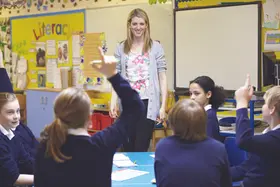
Media Literacy as a Core Skill: How to Tell if a School Teaches It Well
Learn how to evaluate whether a public school teaches media literacy effectively, from fact-checking and source evaluation to digital citizenship and critical thinking.

Screen Time, Paper Learning, and the New Back-to-Basics Debate
Explore why some public schools are reducing screen time, bringing back paper learning, and rethinking the balance between technology and traditional instruction.
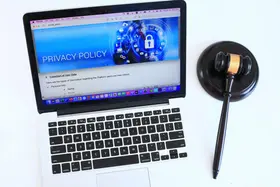
Student Data, AI Tools, and Privacy: Questions to Ask Your District
Learn how public schools use AI, protect student data, and the key privacy questions every parent should ask their school district in 2026.