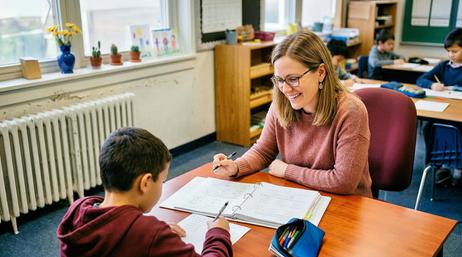

For many families, the move to middle school is one of the biggest transitions in a child's education. Whether your district begins middle school in sixth or seventh grade, students suddenly face new academic expectations, multiple teachers, larger campuses, changing friendships, and greater independence. While this transition is exciting, it can also be overwhelming.
The months before middle school provide an excellent opportunity for parents to gather information and prepare their children for success. Rather than waiting until orientation day, asking thoughtful questions early can help you understand what to expect and determine whether your child will have the support needed to thrive.
As you prepare for this next step, focus on learning about the school's academic programs, student support services, safety practices, and overall culture. The answers you receive will provide valuable insight into your child's future learning environment.
Why the Middle School Transition Matters
The transition to middle school represents much more than moving to a different building. Students are entering a stage of rapid academic, emotional, and social development. Instead of spending the day with one classroom teacher, they often rotate among several teachers, manage lockers, follow more complex schedules, and balance increasing homework responsibilities. At the same time, early adolescence brings new social pressures and growing expectations for independence.
Research from the U.S. Department of Education has consistently shown that successful school transitions contribute to improved academic achievement, attendance, and student well-being. Preparing children for these changes before the school year