Public School Policies

From unions to vouchers, school budgets to discipline policies, we cover some of the most controversial issues affecting public schools today. Learn more about education reform and how it impacts your family. Keep current on the latest controversies regarding religion, sex-education, civil rights and more.

View the most popular articles in Public School Policies:

How To Implement College Board Pre-SAT Programs

Updated
|
How To Implement College Board Pre-SAT Programs
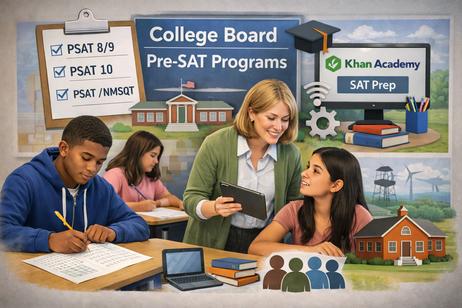
This article guides educators and administrators in small, rural school districts on implementing the College Board's pre-SAT programs. It covers the PSAT Suite of Assessments and SAT prep with Khan Academy, addressing challenges unique to rural settings.

Implementing the College Board's pre-SAT programs in small, rural school districts can be a powerful way to enhance college readiness and access for students who often face unique challenges. As educators and administrators, understanding how to effectively integrate these programs is crucial for maximizing their benefits. In this article, we'll explore the steps needed to implement the PSAT Suite of Assessments and SAT prep with Khan Academy, addressing the specific challenges faced by rural schools.

Introduction

  • The College Board offers a range of programs designed to prepare students for the SAT, including the PSAT/NMSQT, PSAT 10, and PSAT 8/9.
  • These assessments, combined with SAT prep resources from Khan Academy, provide a comprehensive approach to college readiness.
  • For rural schools, these programs can be particularly valuable, as they help level the playing field by providing access to resources that might otherwise be out of reach.

Preparing for the PSAT Suite of Assessments

Implementing the PSAT Suite requires careful planning and coordination. Here are some key steps to consider:

PSAT/NMSQT

  • Test Administration: Schedule the PSAT/NMSQT during the school day, typically for juniors, to prepare them for the SAT and National Merit Scholarships.
  • Digital Format: Utilize the digital PSAT/NMSQT to streamline the testing process. This requires ensuring that your school's IT infrastructure can support the digital format, which offers faster scoring and more flexibility in administration.
  • Accommodations: Ensure that accommodations are available for students with disabilities, such as extended time or assistive technology. This may involve working with your IT team to
. . .read more

What Parents Need to Know About Lunch Shaming

Updated
|
What Parents Need to Know About Lunch Shaming
Students all over the nation go hungry every day not because their schools don’t offer lunch, but because they refuse them to children with outstanding debts. Read on to learn about the horror that is lunch shaming and what can be done about it.

As an adult, you’ve well learned that while societal pressures still exist, it is, in fact, possible to say no to peer pressure. As a child in school, however, it feels like being liked and accepted is the most important thing in the world. No child wants to stand out too much, especially for the wrong reasons.Canon-McMillan School District

Unfortunately, underprivileged students are forced to fight this battle in a number of ways. From wearing hand-me-down clothing and sharing schoolbooks to enrolling in free lunch programs, it’s difficult not to stand out when you don’t come from the same economic background as more privileged students. In some schools, the differences are minimal and barely noticeable but children in many schools are experiencing something called lunch shaming and it may affect their education.

In this article, we’ll explore the subject of lunch shaming to discover what it is and how it affects public school students. We’ll also take a closer look at the incentives behind lunch shaming and what some people are doing to prevent it.

This video from PBS reports on the issue of lunch shaming.

What is Lunch Shaming, Anyway?

According to Feeding America, 16 million American children struggle with hunger each year. It may not be a daily battle, but at some point throughout the course of the year, these children lack the means to obtain nutritious food on a

. . .read more
The 15 Biggest Failures of the American Public Education System

Updated
|
The 15 Biggest Failures of the American Public Education System
The world is in a constant state of change and those who fail to adjust fall behind. Unfortunately, the American public education system has not kept up with the times and is currently facing a number of serious problems. Keep reading to learn about the biggest failures affecting the modern U.S. public education system as well as some of the trends that could spark change.

Decades ago, the American formal education system was designed to meet the changing needs of the industrial revolution. What was once a time of growth has changed over the years and, with the current economic climate, that system is no longer able to meet modern needs. But what are the biggest failures of the American public education system, and how can they be remedied?

In this article, we’ll explore fifteen of the biggest failures affecting the American public education system today. We’ll also explore five of the biggest emerging trends in American education.

The Top 15 Failures in American Public Education

Policymakers are constantly fighting to make changes to the American public education system, and not all of them are beneficial. Over the years, there has been a great deal of back-and-forth that has left the public education system in shambles. Some of these problems are easy to identify and have been long-standing issues while others are new, brought about by advances in technology, changes in policy, and general change that happens with time.

Every story has two sides, and for every policy or program put into place, there are going to be proponents and critics. Below you’ll find an overview of some of the biggest issues facing the American public system as well as arguments from people on both sides of the issue.

This video examines the question of why public education is failing parents and students.

. . .read more
Why Are Things Becoming More Difficult For Public School Teachers?

Updated
|
Why Are Things Becoming More Difficult For Public School Teachers?
Explore the biggest challenges facing public school teachers in 2026, from staffing shortages and funding concerns to technology demands and student support needs.

Public school teachers have a wonderful opportunity to shape the minds of the next generation. There is a great deal of satisfaction that comes from making an impact on a child’s life, but being a teacher isn’t always easy, especially in public school.

Teachers have always faced challenges, but in recent years the profession has become increasingly complex. Staffing shortages, student mental health concerns, school funding pressures, technology demands, and changing accountability systems have all added new layers of responsibility.

Keep reading to learn about some of the current challenges facing public school teachers and what they could mean for the future.

What Are the Biggest Challenges Teachers Face?

With changes in public policy, legislation, technology, and student needs, the U.S. education system is constantly changing. Before discussing some of the newer challenges facing public school teachers, it is important to recognize the issues that have existed for decades.

Some of the biggest challenges include:

  • Poorly behaved students
  • Limited resources and finances
  • Difficult parents
  • Federal requirements and standardized tests
  • Time constraints
  • Teacher shortages

Managing a classroom full of students is difficult under the best circumstances. Behavioral challenges can consume valuable instructional time and often require teachers to divide their attention between individual students and the rest of the class.

Limited resources remain another major concern. Many teachers continue to purchase classroom supplies with their own money, particularly in underfunded districts. Parents interested in learning more about how school budgets impact classrooms can explore Overview of the Funding of Public Schools (2026

. . .read more
How Much Does It Cost to Educate a Child?

Updated
|
How Much Does It Cost to Educate a Child?
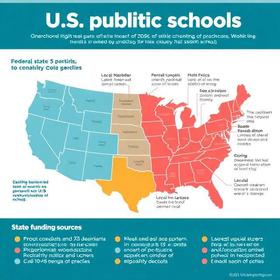
Discover how public schools are funded in 2026, where education dollars go, why spending varies by state, and how funding relates to student outcomes.

When you think of how much your child’s education is going to cost, you probably think of the expenses you cover yourself. From school books and uniforms to daily lunches, transportation to and from school, and extra educational materials at home, the costs add up quickly. But what about the costs you don’t cover? Things like teacher salaries, school maintenance and repairs, taxes, and more; someone has to pay these costs, but who?

If your child attends public school, the majority of the cost of his or her education will likely be borne by the government, including federal, state, and local sources. While your taxes help support public education, they represent only a portion of the actual cost of educating a student each year.

Depending on where you live and the quality of the local education system, you may be wondering where all of that money goes. In this article, we'll discuss the average annual cost to educate a student in different states, as well as some of the ways your tax dollars are spent.

This video from The Cato Institute examines the cost of public K-12 education.

Annual Costs for Public Education by State

Spending varies drastically for public education from one part of the country to another. States such as New York, Vermont, and New Jersey consistently rank among the highest in per-pupil spending, while states including Utah, Idaho, and Arizona remain among

. . .read more
Recent Articles

Media Literacy as a Core Skill: How to Tell if a School Teaches It Well
Learn how to evaluate whether a public school teaches media literacy effectively, from fact-checking and source evaluation to digital citizenship and critical thinking.
Screen Time, Paper Learning, and the New Back-to-Basics Debate
Explore why some public schools are reducing screen time, bringing back paper learning, and rethinking the balance between technology and traditional instruction.
Student Data, AI Tools, and Privacy: Questions to Ask Your District
Learn how public schools use AI, protect student data, and the key privacy questions every parent should ask their school district in 2026.

Public School Policies

EDUCATION REFORM
Education reform is in the works, and you can stay updated on the latest changes, debates, and policies here. Learn more about No Child Left Behind and how it impacts your child. Explore how federal and state government is working to improve school performance, student achievement and education standards.
TEACHERS AND UNIONS
A comprehensive look at teachers, tenure, and unions. Learn how unions impact school performance. Explore the impact of education reform on teaching qualification standards, traditional unions and controversial tenure rules.
PUBLIC SCHOOL BUDGETS
We offer an overview of public school budgets; where the money comes from, how it’s spent and what schools are doing to get more funding. Learn how schools are cutting budgets and how the cuts will impact your child. Delve into some of the creative ways school districts are trying to raise money and where the extra money is spent.
VOUCHERS
Explore both sides of the school voucher debate. Learn what your options are, how those choices are funded and the impact on your local school district. From the latest government initiatives to results from recent studies, explore vouchers and the options they provide.
SCHOOL DISCIPLINE POLICIES
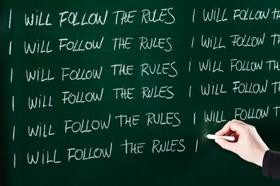
Examine the various discipline methods being put to use in public schools. From detention to expulsion, spanking to handcuffing, school discipline can often be controversial. Does spanking work? Do police belong in schools? Learn more about what is being done to punish out of control students.
SCHOOL CONTROVERSIES
The most controversial issues impacting public school students today. From bullying to book bans, this is a comprehensive look at some of the most oft-debated issues. This section features articles on school segregation, religion, over-crowding, civil rights, and green technology.