Public School Policies

From unions to vouchers, school budgets to discipline policies, we cover some of the most controversial issues affecting public schools today. Learn more about education reform and how it impacts your family. Keep current on the latest controversies regarding religion, sex-education, civil rights and more.

View the most popular articles in Public School Policies:

Punishments Handed Down in Atlanta Cheating Scandal, Criminal Charges may Follow

Updated
|
Punishments Handed Down in Atlanta Cheating Scandal, Criminal Charges may Follow
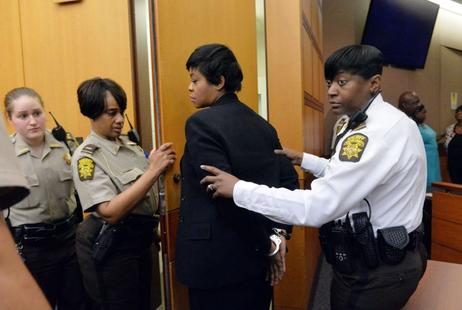
We have followed the Atlanta cheating scandal story, and now, administrative consequences have been handed out to the teachers implicated, and a jury is considering criminal charges against some of the teachers as well.

The ongoing Atlanta Public Schools cheating scandal that has taken months to investigate is now in the punishment phase. Both teachers and administrators involved in the widespread cheating throughout the city are learning their fate, as the first batch of sanctions was handed out by the Georgia Professional Standards Commission. Those first sanctions may set the pace for how the state deals with similar cases of cheating and unprofessional conduct in the future.

Teachers Suspended, Licenses Revoked

According to a report at WTVM , the first batch of 11 educators implicated in the cheating scandal received their punishment from a vote by the Georgia Professional Standards Commission last week. The vote resulted in a two-year suspension of the teaching certificates of the eight teachers included in the group. The three administrators had their certificates revoked.

The punishments are considered rather stiff, particularly in light of the fact that this first batch of educators cooperated fully with investigators, which led to information that will move cases forward against additional individuals within the school system. Gerald Griggs, an attorney representing two of the teachers from Parks Middle School, said his clients were hoping for lesser penalties as a result of their cooperation.

“They felt pressure from the top,” Griggs explained to WTVM. “It was a culture that was going on. They were implicated in making erasures and changing test scores. My two clients that were implicated had admitted it and were being cooperative with authorities.”

When asked

. . .read more

The Ongoing Debate Over School Choice

Updated
|
The Ongoing Debate Over School Choice
School choice is one of the most controversial topics in education today, but what are the benefits and disadvantages it really brings to children? Learn more about school choice and what it truly means to your children.

There are few topics as fiercely debated in the world of education today as school choice and voucher programs. The subject becomes particularly prevalent in areas where public schools are not making the grade but has also been seen in districts where the public schools are performing well. However, parents want more opportunities and choices for their children. No matter what side of the fence a parent or educator might be on, chances are the emotions surrounding this topic run high. We’ll take a closer look at the school choice idea, including the history of the programs and the pros and cons that make this issue one of the hot-button subjects around the country.

Which School to Choose?

One reason school choice has become a major point of contention is because there are many options in education today. Districts offer a wide range of school types, and parents are faced with choices they may not have had just a few decades earlier. Some of the schools seen in communities today include:

Neighborhood Public Schools

Public schools are funded by the government and must follow specific guidelines set forth by state regulators. They are accessible to all children and are close to homes in the neighborhood, making them easy for children to attend. District zoning regulations typically assign schools, although some districts allow students to attend another public school outside their immediate neighborhood if there is sufficient space in the school for that student.

Charter Schools

Charter

. . .read more

Count Day Becomes Major Event for Some School Districts

Updated
|
Count Day Becomes Major Event for Some School Districts
With budgets as tight as they have ever been, count day has become a huge event for some school districts. The more students that attend count day, the more funding the school receives.

With the first day of school still a clear memory and fall holidays right around the corner, the focus of many school districts is on a single obscure event that typically falls during the months of September or October. Count day is the one day of the school year that means everything to schools in terms of the amount of funding they receive. For every student that can be accounted for on this special day, funds are allotted for that school. During a time when school budgets are stretched well past their comfort levels, it is no wonder that count day is becoming bigger than any other day of the year for some school districts.

This video explains how student attendance affects school funding.

Why Count Day?

According to the Michigan state government website, count day is the day when all the public schools in the state total up all of the students attending their schools. The event also occurs in other states, like Colorado and Indiana. On this day, the number of students tallied adds up to direct funding for the school. For example, every student counted on count day in Colorado brings an additional $6,400 into the school in which he is enrolled, according to data in the Denver Post. In the Detroit Public School system, every student accounted for on count day means more than $7,000

. . .read more

'Fuel Your School' Ignites Second Year in Utah

Updated
|
'Fuel Your School' Ignites Second Year in Utah
Fuel Your School is a Utah and California program introduced by Chevron that provides additional funding for local public schools every time someone fills up his tank. Learn about which schools benefit from the program and how the funding is being used.

Schools across the country continue to look for ways to do more with less. Rising costs, staffing challenges, technology needs, and budget constraints have pushed many educators to seek alternative funding sources beyond traditional public funding.

One example of a successful public-private partnership was Chevron's Fuel Your School program, which helped provide classroom resources to schools in California and Utah. Although the original Fuel Your School campaign is no longer active, it serves as an example of how corporate giving programs and community partnerships can support public education.

Today, similar initiatives continue to help teachers secure funding for classroom projects, technology, STEM programs, and other educational needs.

What Was Fuel Your School?

Fuel Your School was a partnership between Chevron and DonorsChoose, a nonprofit organization that helps teachers obtain funding for classroom projects.

The concept was simple. During designated promotional periods, purchases made at participating Chevron stations generated donations that supported classroom projects in eligible school districts. The program focused heavily on STEM education, though teachers could also request funding for a variety of other classroom needs.

During its early years, Fuel Your School generated hundreds of thousands of dollars for public school classrooms and helped fund thousands of teacher-led projects.

The program demonstrated how businesses, nonprofit organizations, educators, and local communities could work together to address classroom funding needs.

Why Alternative School Funding Matters

Public schools receive funding from federal, state, and local sources. However, many districts continue to face budget limitations that affect

. . .read more

The Difficult Line between Social Media and Public Schools

Updated
|
The Difficult Line between Social Media and Public Schools
A number of cases have recently been introduced nationwide regarding the use of Facebook and public school staff and students. We’ll take a look at the latest situations and ask once again where the line between public school and social media should be drawn.

Social media has become a prevalent component of today’s society, shaping relationships on both a professional and personal level. Unfortunately, the advent of social websites did not come equipped with a handbook to guide users with ethical boundaries in the use of these media outlets. Instead, this job has been a reactive one, left to whoever might see potentially offensive posts and take the necessary steps to discipline those responsible. In the case of students, that job is often taken on by the public school system – much to the chagrin of many who believe the line between public school and private life must remain strong and consistent.

This video from PBS looks at the issue of schools and social media.

According to a recent article at Eurasia Review, the age of the Internet is forcing many to reexamine constitutional liberties – primarily those protected under the First Amendment. Public schools have been flung directly into the fray, as they attempt to make the distinction between a student’s private life and the impact of the choices they make outside of school on the school environment overall. Currently, a number of questions have arisen over the use of social media by both students and teachers. Three cases, in particular, have forced public school officials, and even the court system, to take a second look at what constitutes “appropriate” behavior on social websites.

School

. . .read more

Recent Articles

How Public Schools Train Staff Each Year
Learn how public schools train staff each year through professional development, safety training, technology instruction, and ongoing educational support.
What Substitute Teachers Experience in Public Schools
Discover what substitute teachers experience in public schools, including daily responsibilities, challenges, rewards, and their role in student success.
How Teachers Collaborate Across Departments in Public Schools
Learn how teachers collaborate across departments to improve student outcomes, strengthen instruction, and prepare students for real-world success.

Public School Policies

EDUCATION REFORM
Education reform is in the works, and you can stay updated on the latest changes, debates, and policies here. Learn more about No Child Left Behind and how it impacts your child. Explore how federal and state government is working to improve school performance, student achievement and education standards.
TEACHERS AND UNIONS
A comprehensive look at teachers, tenure, and unions. Learn how unions impact school performance. Explore the impact of education reform on teaching qualification standards, traditional unions and controversial tenure rules.
PUBLIC SCHOOL BUDGETS
We offer an overview of public school budgets; where the money comes from, how it’s spent and what schools are doing to get more funding. Learn how schools are cutting budgets and how the cuts will impact your child. Delve into some of the creative ways school districts are trying to raise money and where the extra money is spent.
VOUCHERS
Explore both sides of the school voucher debate. Learn what your options are, how those choices are funded and the impact on your local school district. From the latest government initiatives to results from recent studies, explore vouchers and the options they provide.
SCHOOL DISCIPLINE POLICIES
Examine the various discipline methods being put to use in public schools. From detention to expulsion, spanking to handcuffing, school discipline can often be controversial. Does spanking work? Do police belong in schools? Learn more about what is being done to punish out of control students.
SCHOOL CONTROVERSIES
The most controversial issues impacting public school students today. From bullying to book bans, this is a comprehensive look at some of the most oft-debated issues. This section features articles on school segregation, religion, over-crowding, civil rights, and green technology.